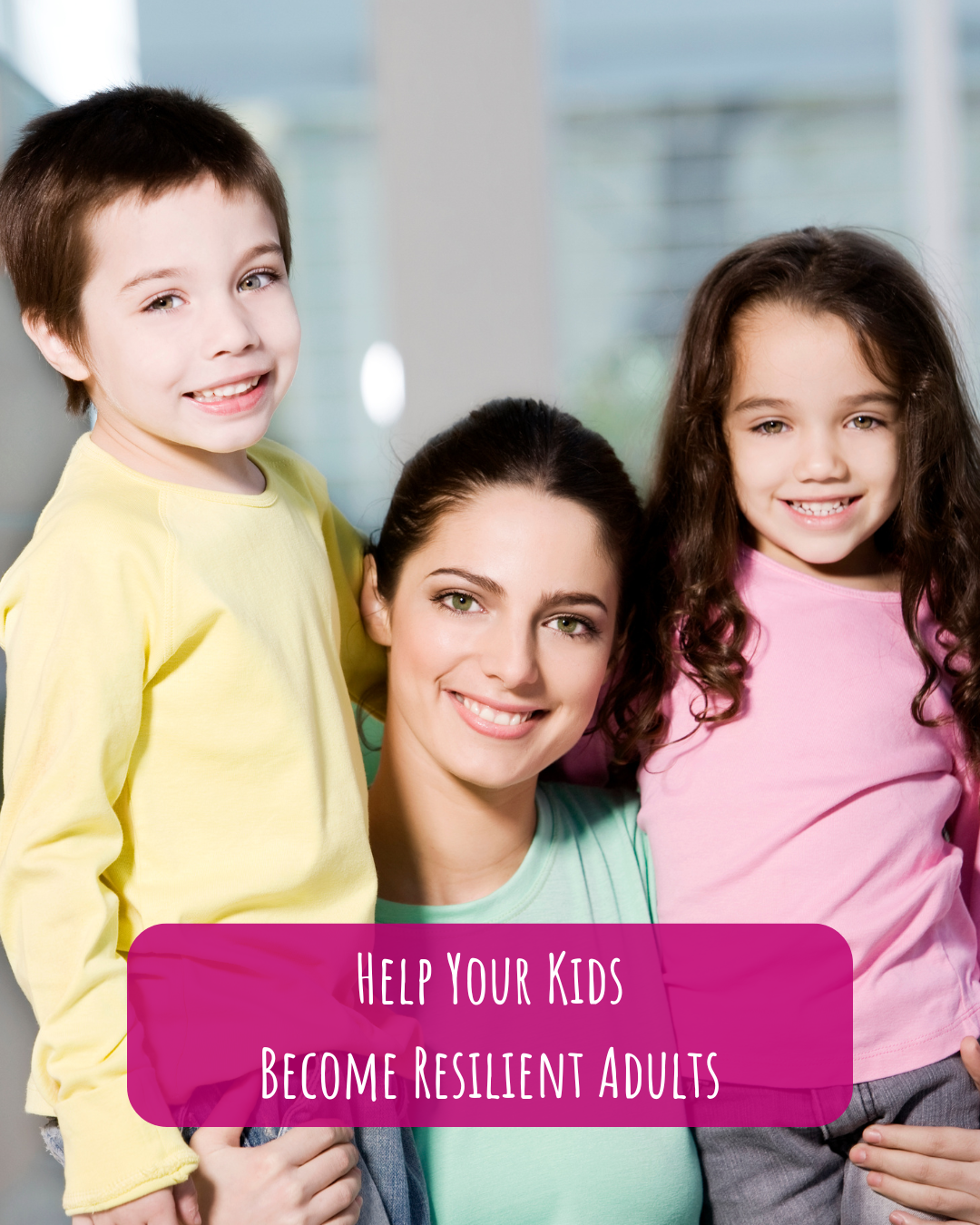
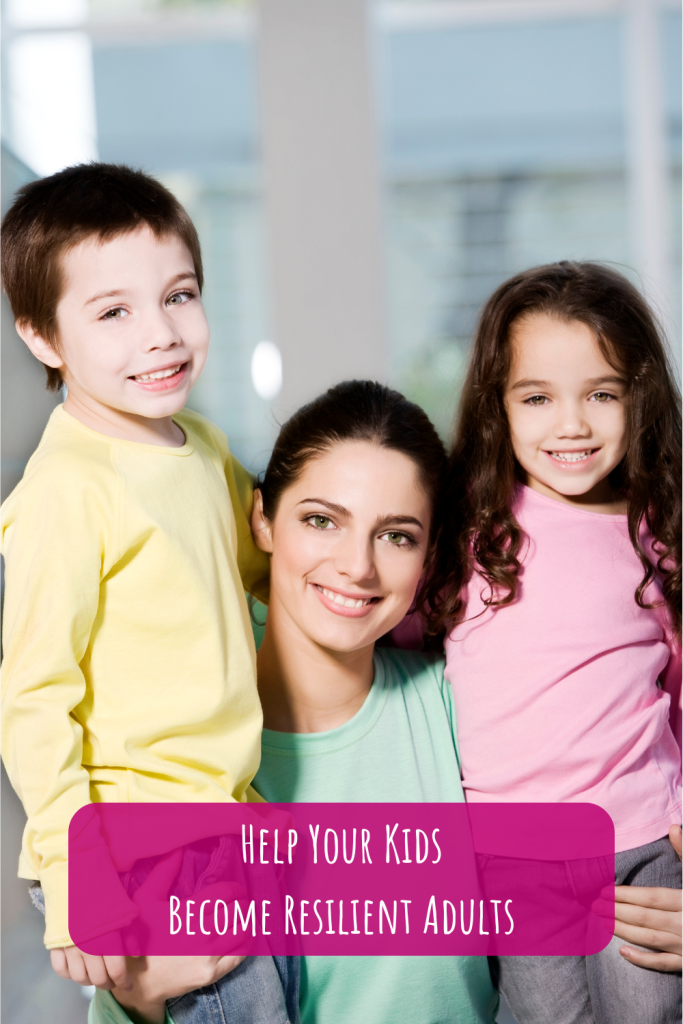
I have jokingly told my kids that they have it so much better than my generation did. When I was growing up emotional regulation was mostly, “Suck it up, buttercup,” and, “Don’t be a crybaby.” We heard it from teachers, coaches, parents, and pastors. Today’s kids are starting to actually learn how to navigate life with emotions rather than ignore them, and what a blessing it is for us to help them learn healthy communication and resilience!
Nervous System Regulation
We love bacon at our house and my favorite way to make it is baking it in the oven. Less mess, less effort, less risk of getting hot bacon grease spattered in your eye (trust me, that hurts). It’s great. It caused one small problem at our last house, though. At least half the time the dang smoke detector would go off the moment you opened the oven door. It happened so often that when it would start beeping my kids would jokingly holler, “Bacon’s done!”
Imagine what could have happened if I decided that every time my smoke detector went off it was a false alarm and I should automatically ignore it? That could have put my family in serious danger if a real emergency happened and I had brushed it off because it was, “probably nothing.” Even if it wasn’t always right, that alarm was there to protect us.
A God-Given Warning System
Our nervous systems are a lot like smoke detectors. Their job is to alert us to danger. To warn us that something is wrong. They aren’t perfect, though. Sometimes they sound the alarm when there is no real danger, just like the smoke detector at my old house. Instead of telling our kids to ignore all beeping, let’s teach them how to tell the difference between a real problem and a false alarm.
When our bodies send an alert, it’s an indicator that we should take notice of what’s happening. Teaching our kids that their feelings are their God-given system of protection to warn them of potential trouble helps them to see that their emotions aren’t something to be avoided, but investigated. A great way to do this is having them name what they are feeling. We can teach them to say things like, “I’m feeling mad because McKenzie stole my hairbrush.” rather than just screaming.
Some kids will have an alarm that seems to be a bit more reactive than others. If you have a kid who seems to go from zero to sixty in no time flat, avoid the urge to automatically assign spiritual problems as the cause. People who have a history of traumatic experiences, who have generalized anxiety, as well as those who are neurodivergent (autistic, ADHD, etc.) can tend to both get more ‘false alarms’ and to respond quicker to them.
Teach Signs & Skills
The other day I learned something fascinating from a devotional by The Bible Project. When God is described as being “slow to anger” in the Bible, it actually translates as, ‘long nosed’. It’s based around an ancient Hebrew idiom that describes being angry as being ‘hot nosed’, because our faces tend to heat up when we get mad. As they said that I realized that psychology and biology line up with what the Bible tells us.
There are physical symptoms that give us a heads up about what emotions are building inside of our bodies. A hot face and clenched fists can indicate we are getting mad, a racing heart and fast breathing might point us to fear, and eyes that are stinging can be a sign of sadness. Teach your kids to recognize the physical signs of feelings so that they can use that information to guide their actions.
When the body and brain are sounding the alarm it’s because the sympathetic nervous system (the part of the body responsible for our fight-or-flight response) has been activated. We can teach our kids that they have the power to bring their nervous systems back to baseline (to regulate it) when it is on high alert. Some great exercises to help with this are:
Humming
Humming is more than just a form of entertainment. The vibrations stimulate the body’s vagus nerve, helping it to switch from the sympathetic nervous system (responsible for fight-or-flight responses) to the parasympathetic nervous system (responsible for rest and calm).
Slow Breaths
Have your kids inhale for 4 seconds and exhale slowly for 6 seconds. Practice this on a regular basis so your kids are ready to use it when they need it. According to Christopher Bergland, “These studies corroborate that longer exhalations are an easy way to hack the vagus nerve, combat fight-or-flight stress responses, and improve HRV.”
Deep Pressure
Using firm, gentle pressure on the body (like strong cuddles from a parent, wearing compression clothing, or having a pet sit on you) can move the nervous system away from an acute stress response and restore calm.
Set An Example
How did your kids learn to walk? By watching you and mimicking your actions, right? What about feeding themselves? Did you explain all the steps and then hand them a spoon, or did they copy what you did? Kids learn by watching those around them, especially the most important adults in their lives like family and teachers.
Our kids learn how to manage their feelings by watching our words and actions, too. One thing I have learned (the hard way, if I’m being honest) is that learning to understand and regulate my own emotions as a mom is a vital part of teaching my kids to do it. My actions set the tone for how my kids view and manage their own emotions.
Emotional Example
Toddlers definitely express their feelings, but not necessarily in a healthy way. “NO!” followed by hitting, biting, or throwing something certainly makes their feelings clear, but it’s not exactly how we’d want them to let us know their thoughts on life! In order to move from that to respectfully expressing themselves they are going to need a lot of practice and patient teaching.
First things first, we set the tone by keeping our cool and talking about our own feelings with our kids. It doesn’t have to be complex. Whether you’re scared, sad, or frustrated, tell your kids in a way that fits their age. If you’re feeling a bit like a fish out of water with all of this, try a simple, “I’m feeling ______ right now because _______.”
When your kids are struggling to find the words in the middle of their own jumbled feelings you can help by asking about them or describing what’s happening. When my kids were little and I could see emotions boiling over I would tell them, “It looks like you’re feeling frustrated/mad/upset because ______.” Did it magically flip a switch and calm them down? Nope! But it did help build a foundation so that as they grew they could tell me what was bothering them.
Regulation Example
Many years ago one of my kids was working with a feeding therapist to expand a rather meager diet. Since I was along for the ride in the appointments I got to (or sometimes had to) try everything as well. One particularly ‘fun’ day the feeding therapist was using some of my kid’s preferred foods to introduce a dish with mixed textures. Similar to ants on a log, it was apple slices topped with peanut butter, chocolate chips, and shredded coconut.
One important thing to know is that I absolutely do not like coconut. It’s one of those foods I was never able to bring myself to eat. When the time came for me to show my child that the food was, in fact, edible and take a bite…ugh! I stopped, apple slice in hand, closed my eyes, and took a deep breath. Our therapist jumped on the opportunity and pointed out to my child how I had worked to calm myself before doing something hard and what a good plan that was when trying new foods.
As entertaining as my torture-by-coconut is to look back on, it’s also a valuable reminder. Our kids are going to face situations where they will need to calm themselves. Whether it is before doing something that scares them or in the midst overwhelm, it will help them to know how to shift their nervous systems out of fight or flight. You can model that for them by using those vital skills when your own stress levels are rising.
Tell Your Kids What You Need
Sometimes it seems like society is telling us that we should only be ‘positive’ at all times in order to be a good mom. That never showing our struggles will make our kids think we are strong. Allowing our kids to see us experience the full range of feelings is important for them, though. It helps us teach our kids how to tell others what they need in a healthy and respectful way. When you say, “My brain is feeling overwhelmed right now. I need to have a few minutes alone.” you are teaching them an alternative to saying, “Go away!”
Let Them See You Cry
Did you know that crying serves a biological purpose? When tears flow they spill out the excess stress hormones that have built up in our bodies. That means crying actually helps to bring heightened emotions back to baseline! When our kids see us cry they may feel more comfortable letting their own feelings out.
Take A Deep Breath
Feeling frustrated? Think you might be close to losing it because your kids pushed your buttons one too many times? Take a deep breath (or three) before you respond to them. It helps your kids to see that while our feelings give us information that we should pay attention to, they don’t have to control us. We notice and get curious about our feelings, but we don’t have to react in the middle of them. The more we can show this to our kids, the easier it will be for them to do.
Emotions Are a Gift
As I was talking through this issue with some friends, one of them told us, “Processing feelings is part of what makes an adult an adult.” It was one of the simplest, yet most profound explanations I’d ever heard about the importance of teaching our kids about emotions. Helping our kids build these skills now will help them to become adults who can say, “I love you” freely and who can talk about what’s upsetting them rather than storming off in anger. It’s those skills that will not only help our kids grow into resilient adults, but bless our families for generations to come.
